REVIEW · REYKJAVIK
Reykjavik: Golden Circle, Tomato Farm and Kerið Crater Tour
Book on GetYourGuide →Operated by EastWest · Bookable on GetYourGuide
Golden Circle, minus the big-bus grind. This 9-hour Reykjavik tour is interesting because it links Þingvellir National Park’s rift-and-parliament story with Friðheimar’s tomato-farm lunch and geothermal food stops, then caps it at Kerið crater. I like that it feels full but not chaotic, and the guide keeps the day moving with clear explanations and frequent photo-friendly moments.
One heads-up: the itinerary is fixed and long, so you’ll want serious cold-weather gear and you should plan on paying for meals at the tomato farm since food and drinks aren’t included.
In This Review
- Key things to know before you go
- The Golden Circle, planned for real time on your feet
- Þingvellir National Park: tectonic plates and the first walk
- Efstidalur and local farm life: quick stops that add texture
- Gullfoss Waterfall: the moment the trip feels physical
- Geysir area and Strokkur: eruptions every five minutes
- Friðheimar tomato farm: lunch with a geothermal twist
- Kerið crater: the older-than-you-think finale
- Price and value: what $152 buys you in Iceland terms
- Best for whom (and what to watch out for)
- Should you book this Golden Circle, tomato farm, and Kerið tour?
- FAQ
- How long is the tour?
- What’s included in the price?
- Is lunch included?
- What time does pickup start?
- Where does the tour begin in Reykjavik?
- How often does Strokkur erupt?
- Is this tour suitable for kids?
- Is the tour wheelchair accessible?
- What language is the guide?
- What is the cancellation policy?
Key things to know before you go
- Small-group pace: Less waiting, more conversation, and more time on the ground at each stop.
- Þingvellir plus extra stops: You get the main sites and a couple of quick local-life moments along the way.
- Strokkur’s timing: The geyser erupts about every five minutes, so you’ll see it again and again.
- Friðheimar isn’t just lunch: It’s a working tomato farm experience tied to geothermal heat, with soup and ice cream that steal the show.
- Kerið crater admission included: You don’t have to think about tickets for the final viewpoint.
- Comfort details matter in Iceland: Wi-Fi on board and a warm, well-equipped van help during the long day.
The Golden Circle, planned for real time on your feet
This is a full-day loop built around the classic Golden Circle, but the best part is how it’s structured for time outside the vehicle. You start with a pickup in the Reykjavik area, and downtown riders typically board at designated stops rather than the front door of every hotel. Either way, you’re aimed to be on the road early, with pickups beginning at 8:30 AM.
Transport is part of the comfort story. The tour uses a smaller coach or van setup, and many people appreciate that the ride doesn’t feel like a long, endless bus session. One review even pointed out that breaks between longer road segments help you stay alert for the stops, and another noted features like Wi-Fi and USB charging to keep photos and navigation convenient.
The trade-off is simple: it’s still a long day with a schedule. If you’re a slow-moving walker, or you dislike tight stop windows, you should think twice. The good news is that the day is paced so you can actually look, walk a bit, and take photos without feeling constantly rushed.
Other Golden Circle + Kerid Crater tours we've reviewed
Þingvellir National Park: tectonic plates and the first walk
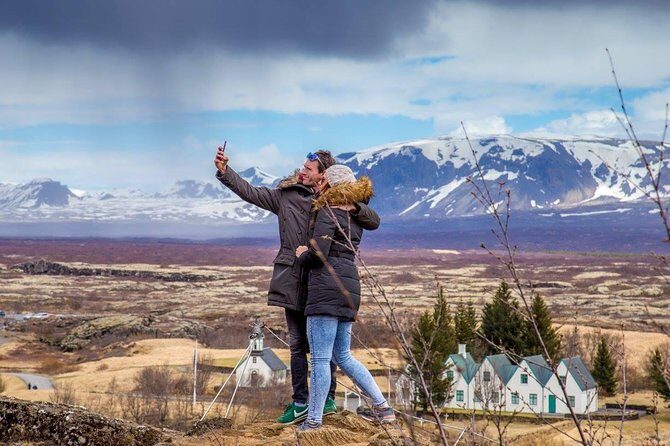
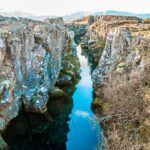
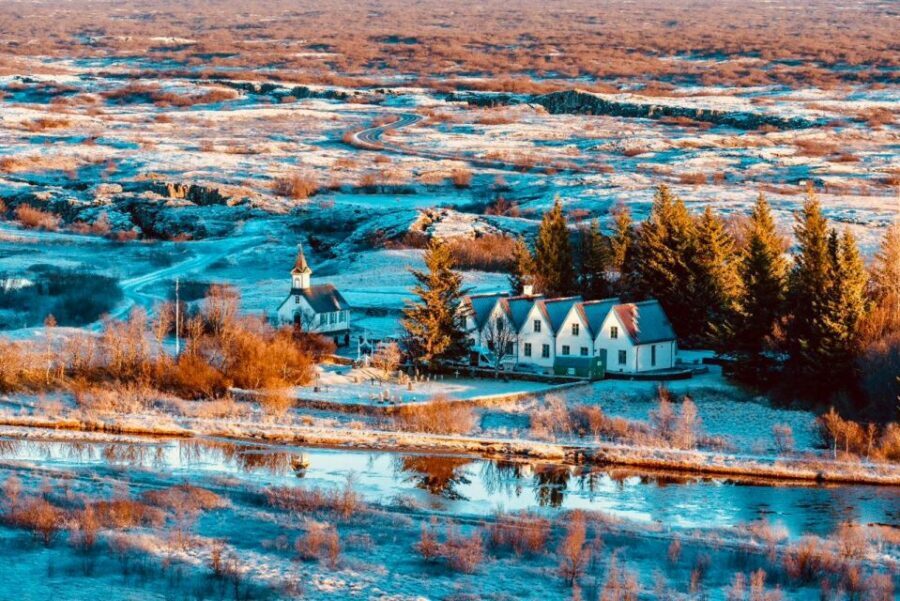
Þingvellir is where the Golden Circle stops being just sightseeing and starts feeling like geology class with a view. You’ll be guided through the park that connects to Iceland’s early political history, including the founding of the national parliament in 930 A.D. Then you’ll get the other big lesson: the tectonic plates that split the country are active, shifting in front of you.
Plan for a photo stop and guided time, plus walking and free time. There’s usually enough room to step away from the group, look around, and get your bearings. If weather is icy, the walk can feel slick, so sturdy shoes are worth packing even if you hate carrying extra weight.
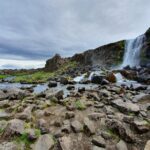
After that initial park time, you’ll also stop at Öxarárfoss for photos and a short visit. It’s not the longest stop, but it’s a classic Iceland waterfall moment that breaks up the day nicely before you head into more geothermal territory.
Efstidalur and local farm life: quick stops that add texture
You also get a short break at Efstidalur Farm. This is the kind of stop that makes the Golden Circle feel less like a checklist and more like a real day in the countryside. Even when it’s brief, it gives you a glimpse of how people live in this part of Iceland and what the area looks like beyond the famous viewpoints.
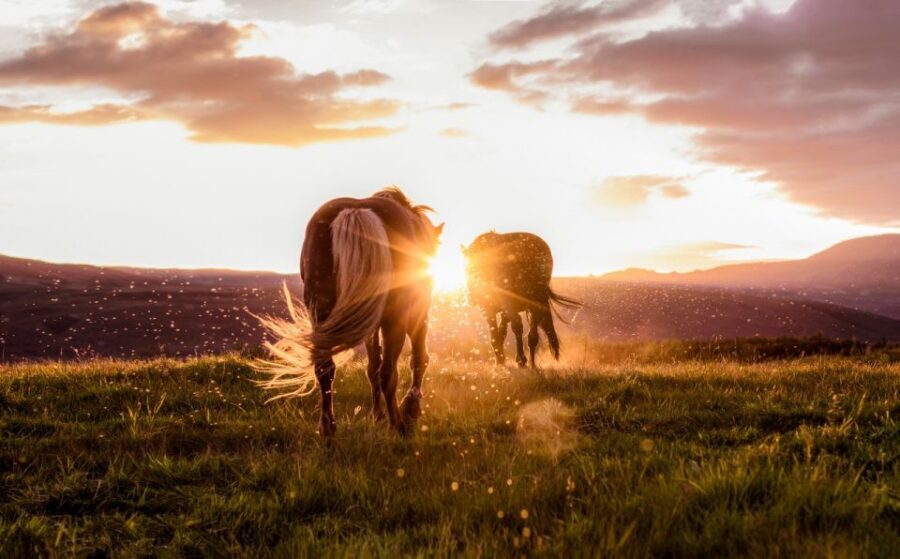
Depending on timing and weather, you may also see horses and the chance to feed them. One tip that came up clearly is to bring some change if you want to interact, since feeding can be tied to small on-site purchases. Even if you skip that, the point of the stop is simply to slow down for a moment and switch from geology awe to everyday countryside.
The timing here is intentional: it’s short enough to keep the day on track, but long enough to feel like a break rather than just a roadside stop.
Gullfoss Waterfall: the moment the trip feels physical
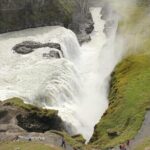
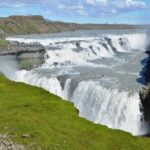
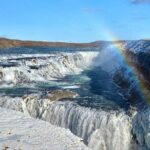
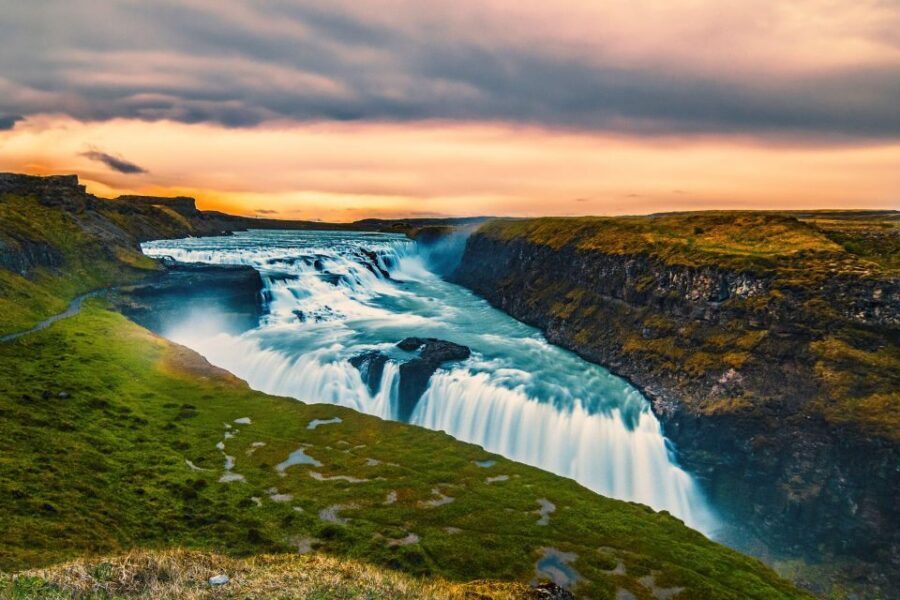
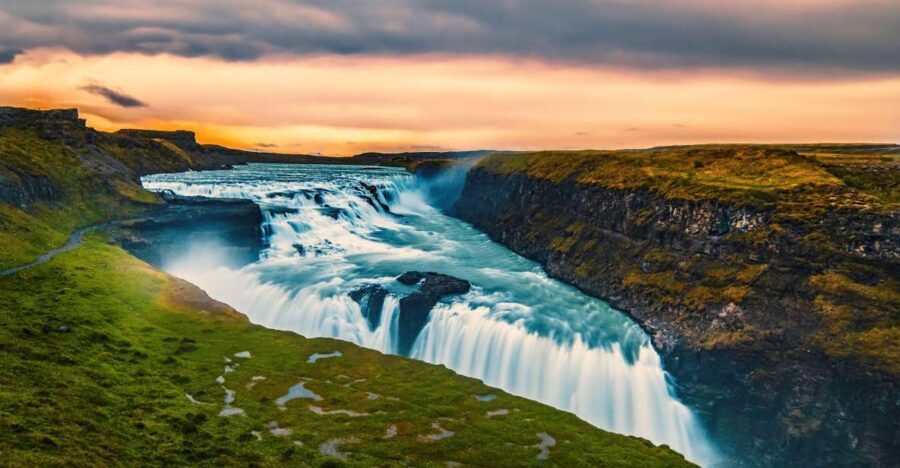
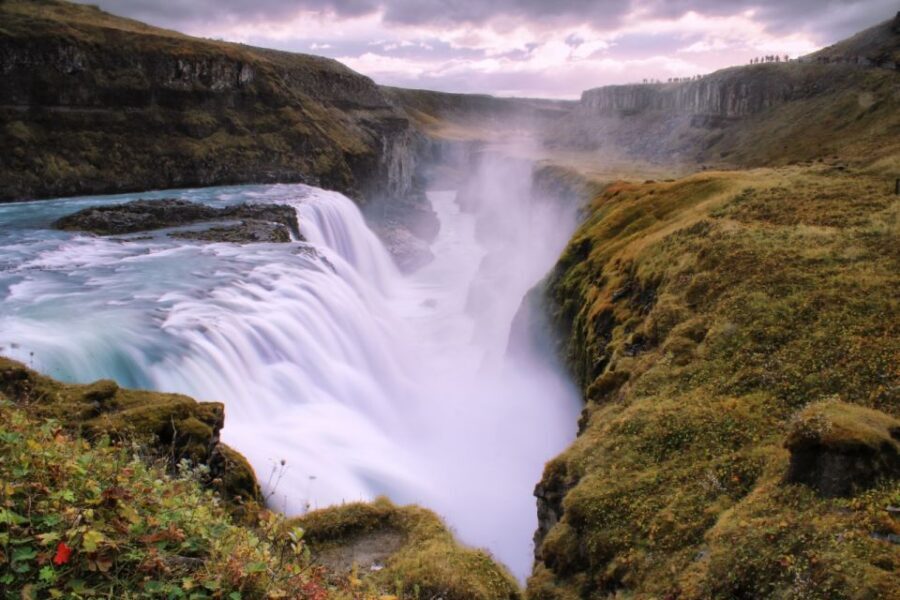
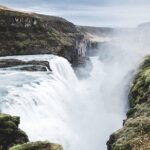
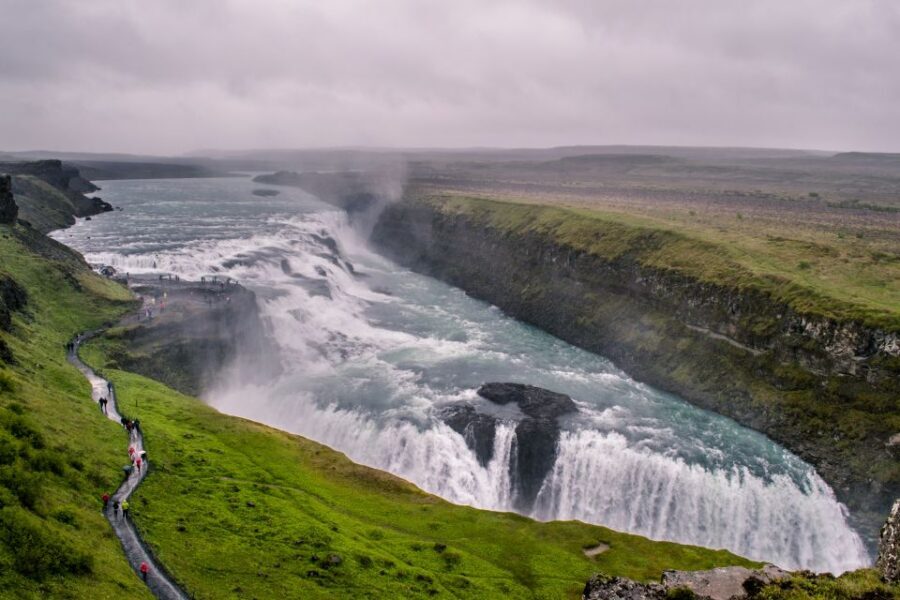
At Gullfoss, the power of Iceland turns into something you can feel. You’ll have a photo stop, guided time, and a chance to walk and look around, with scenic viewpoints along the way. This is one of those stops where you’ll understand why the Golden Circle became famous in the first place, even if you’ve already seen photos.
What I like about Gullfoss on this kind of tour is that it’s not just a quick stare from one angle. The schedule gives time to compare views and adjust to wind and light, which matters a lot in Iceland. On cold days, you’ll want gloves you can keep on while you take pictures, because the spray and wind can be surprisingly intense.
The biggest consideration is weather management. If visibility is poor, you’ll still get the waterfall’s force, but photo options can shrink. If conditions are good, you’ll likely spend a bit longer just watching how the water changes from viewpoint to viewpoint.
Geysir area and Strokkur: eruptions every five minutes
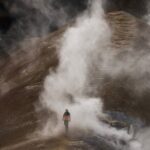
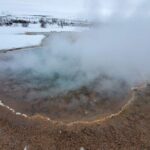
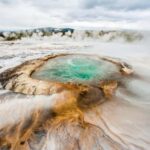
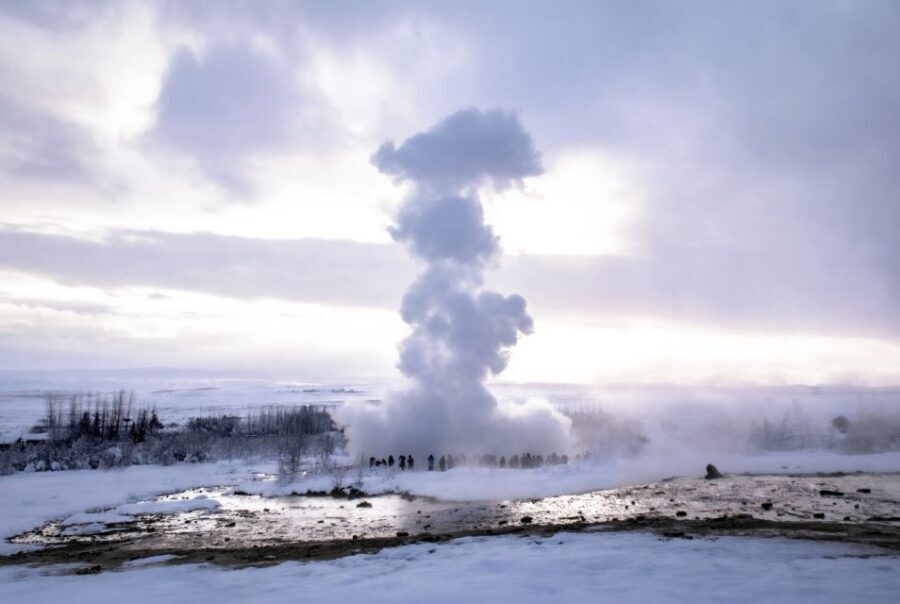
Then you head to the geothermal heart of the loop, where Geysir sets the stage and Strokkur delivers the show. Strokkur is the star here, and the timing is so regular that you don’t just hope for an eruption. It erupts roughly every five minutes, which makes it easier for your group to catch multiple bursts without staring at the ground for long stretches.
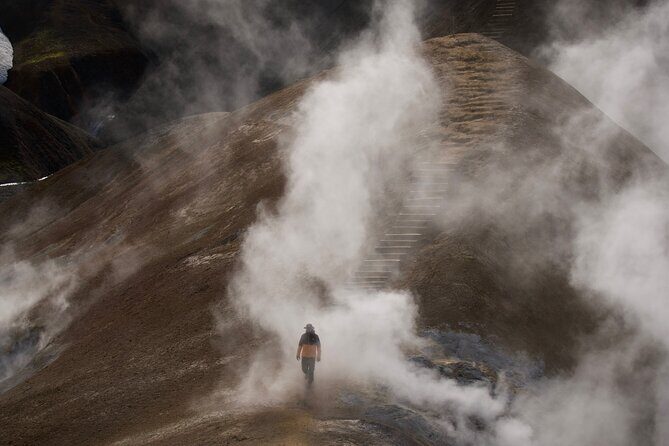
You’ll get photo stops plus guided explanations about how the geothermal system works. This kind of narration matters, because once you understand the basics, you watch differently. You stop seeing just steam and start noticing the patterns that make the eruptions predictable.
One practical point: bundle up before you arrive. The wind can cut through layers, and geothermal areas tend to be exposed. The upside is that if you dress for the cold, the experience feels almost interactive, like you’re part of a timed natural event.
Other Fridheimar tomato farm tours we've reviewed

Friðheimar tomato farm: lunch with a geothermal twist
This tour’s biggest differentiator is the Friðheimar tomato farm stop, which turns lunch into an experience. You’ll stop there for about an hour of farm time, and you’ll have time for food plus sightseeing around the greenhouses. What makes it memorable is the setting: a working farm built in a geothermal environment, so the day’s volcanic theme becomes something you can taste.
Many people call out the tomato soup as a must, served with warm bread. You might also find ice cream options tied to the farm experience, and one review specifically mentioned the salted caramel being addictive. There’s even a nod to how the place ties into local dairy, with an on-site viewpoint where you can see cows that supply milk.
If you want to get more out of the lunch time, keep your order simple. When the menu is layered (soup, bread, extra dishes, drinks, desserts), it’s easy to spend more than you intended. One clear piece of advice from the experience: the tomato farm is worth it, but you should budget for the additional cost since food and drinks aren’t included in the tour price.
The scheduling here also helps. Lunch is placed after the waterfall and geyser stops, when you’re ready for something warm and seated for a bit. It breaks the day’s cold-weather grind and gives you a calmer moment before Kerið.
Kerið crater: the older-than-you-think finale
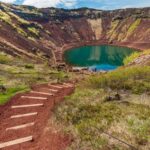
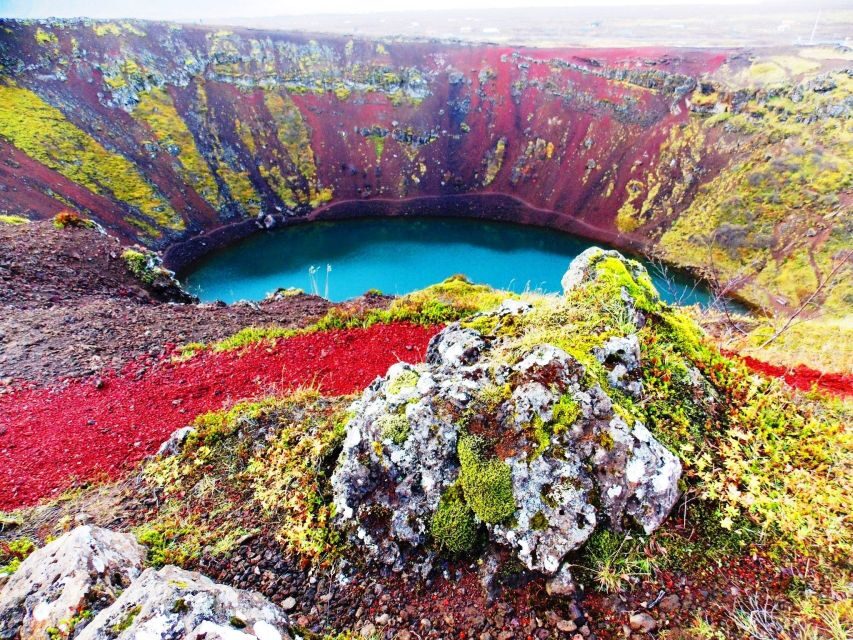
The final stop is Kerið crater, and it lands perfectly at the end because it’s a different kind of “wow.” Instead of steam or waterfalls, you get a bowl-shaped crater with striking colors and a very readable sense of depth. The important practical benefit is that admission to Kerið crater is included, so you’re not juggling tickets late in the day when everyone is tired.
You’ll get a photo stop and guided time with walking and scenic viewpoints. The walkway around the crater gives you enough angles to find the view that matches your weather and energy level. If you’re the type who likes to linger, this is one of the easier stops to do it without feeling like you’re missing the bus.
Kerið also works as a finishing note because it helps connect the day’s theme. After tectonic rifts, geysers, and power waterfalls, the crater gives you a clean, geological closure that feels coherent.
Price and value: what $152 buys you in Iceland terms
At $152 per person, this tour competes well for a few reasons. You’re paying for guided interpretation, hotel pickup and drop-off in the greater Reykjavik area, and Wi-Fi onboard. You’re also getting Kerið crater admission included, which adds value compared to tours that make you pay for every ticket separately.
Where you’ll feel the cost shift is food. Meals and drinks are not included, and Friðheimar is a place where you may want to order more than just the cheapest option. If you’re trying to keep spending tight, you can still enjoy the farm time, but you may want to decide ahead of time how you’ll handle lunch and any farm add-ons like soup or desserts.
Another value angle is comfort versus big crowds. A smaller group means you’re more likely to get individual help, better pacing, and a guide who can answer questions without turning it into a one-way lecture. Several guides associated with this tour type, like Björn G., Carlos, David, and Atli, are known for mixing humor with clear storytelling, which makes the day feel less like transportation between photo spots.
Best for whom (and what to watch out for)
This tour makes the most sense if you want a high-signal Golden Circle day without spending your vacation figuring out routes and timing. It’s a good fit for couples and small groups who want to see a lot, but still want actual time at sites.
It’s also a great pick if you enjoy learning in a practical way. The guides tend to connect Iceland’s geology to daily life and history, so you don’t just leave with photos. You leave with a story you can explain later, like why Þingvellir matters and what makes Strokkur so consistent.
On the downside, it isn’t built for everyone. It’s not suitable for wheelchair users, and it may not work well if you have mobility limitations. And it’s designed as a longer day with fixed timing, so parents should consider the tour’s suitability for kids rather than assuming a relaxed pace.
If you prefer a super flexible day with lots of free wandering and fewer scheduled stops, you might feel constrained. But if you want structure paired with real time outside, this is one of the better ways to do the Golden Circle from Reykjavik.
Should you book this Golden Circle, tomato farm, and Kerið tour?
I’d book it if you want the Golden Circle done efficiently, with two standout upgrades: the Friðheimar tomato farm lunch experience and the Kerið crater finale. It’s also a smart choice if you want a smaller-group atmosphere where the guide’s stories feel like part of the day rather than background noise.
Skip it (or choose something more flexible) if your travel style depends on long, unscheduled hikes, or if a fixed 9-hour loop sounds stressful. And if your priority is meals included in the price, you’ll need to plan for extra spending at the farm.
If you’re traveling in cold weather, treat the clothing like part of the itinerary. With the right layers and sturdy shoes, this tour can feel like a greatest-hits day that still leaves room to breathe, look closely, and actually enjoy the countryside.
FAQ
How long is the tour?
It runs for about 9 hours.
What’s included in the price?
You get an English-speaking driver-guide, Wi-Fi on board, hotel pickup and drop-off in the Reykjavik area, and admission to Kerið crater.
Is lunch included?
No. Food and drinks are not included, but you’ll have a lunch stop at Friðheimar.
What time does pickup start?
Pickup starts at 8:30 AM, and you should be at your pickup location about 30 minutes early.
Where does the tour begin in Reykjavik?
Pickup is available from many options around Reykjavik. Downtown hotels typically use designated tour bus stops.
How often does Strokkur erupt?
Strokkur erupts about every five minutes.
Is this tour suitable for kids?
The tour isn’t recommended for infants (0-3 years). Children under 4 years are listed as not suitable.
Is the tour wheelchair accessible?
No. It’s not suitable for wheelchair users and people with mobility impairments.
What language is the guide?
The tour guide is English. On Thursdays, it’s bilingual English/Spanish.
What is the cancellation policy?
You can cancel up to 24 hours in advance for a full refund. After that, bookings are non-refundable. Refunds are only given if the tour is canceled due to weather and you haven’t participated.