REVIEW · REYKJAVIK
Reykjavík: Golden Circle, 2 Geysers & Geothermal Bakery Tour
Book on GetYourGuide →Operated by Nicetravel · Bookable on GetYourGuide
Few places in Iceland feel as alive as this day. This Golden Circle tour strings together the big three—Gullfoss, Þingvellir, and Kerið—then adds a second chance to see geysers at Hveragerði, including the Eilífur Geyser with eruptions about every 15–20 minutes. I also like that the experience can be shaped by lively guides such as Addi, Hakon, Mika, and CD, who tend to bring stories and practical local context while you’re on the move.
Two things I especially like: first, the way the schedule gives you both the Hveragerði heat show and later the famous Haukadalur geyser area. Second, you get to taste hverabrauð (geothermal bread) from an on-site bakery, so you’re not only looking at the science—you’re eating a piece of it. The one main consideration is that food and drinks aren’t included, so you’ll want to budget for snacks or meals during longer breaks.
In This Review
- Key highlights you’ll actually notice
- Golden Circle, but with a second geyser stop that matters
- From Reykjavík to Hveragerði: eruptions, hot paths, and bread
- Kerið Crater: the walking views that make geology feel simple
- Gullfoss: the golden waterfall’s double drop and why timing helps
- Haukadalur geysers: how to watch Strokkur without stressing
- Þingvellir National Park: plates you can stand near, and a parliament from 930
- Optional Hvammsvík Spa: a geothermal reset with fjord views
- Small group comfort and what the included price really covers
- Who this tour fits best (and who should skip it)
- Should you book this Golden Circle with geysers and bread?
- FAQ
- How long is the Reykjavík Golden Circle, geysers, and geothermal bakery tour?
- What’s included in the tour price?
- Is food or drinks included?
- Which geysers will I see?
- Do I need to bring warm clothing?
- Is the spa visit included?
- What should I pack if I choose the optional spa?
- Is this tour suitable for kids?
Key highlights you’ll actually notice
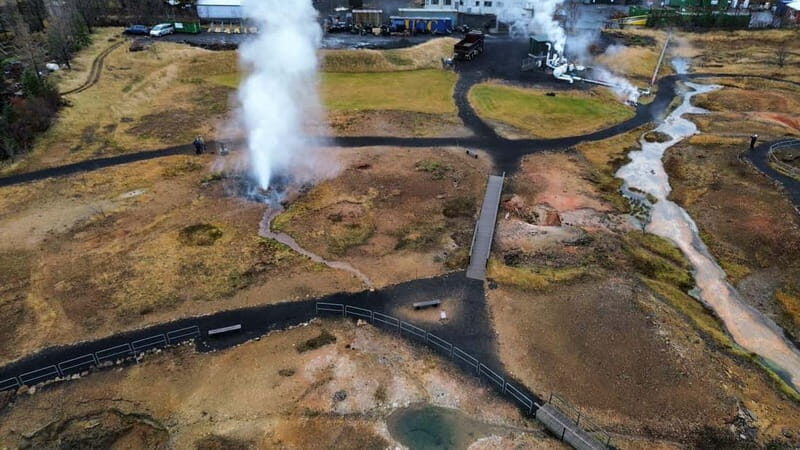
- Eilífur Geyser at Hveragerði: eruptions roughly every 15–20 minutes, so you have a good shot at seeing multiple bursts.
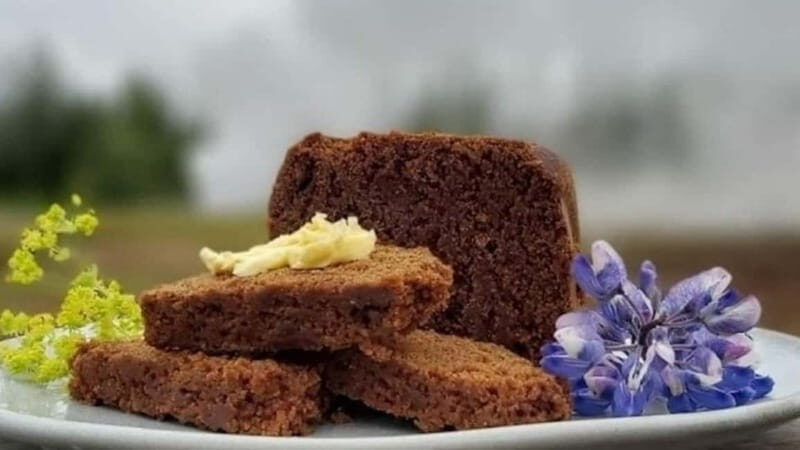
- Fresh geothermal bread (hverabrauð): sweet, baked using geothermal heat, served at the geothermal park/bakery stop.
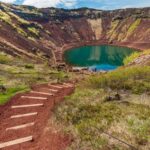
- Kerið crater (55m deep, 270m wide): a volcanic crater you can walk around and view from different angles.
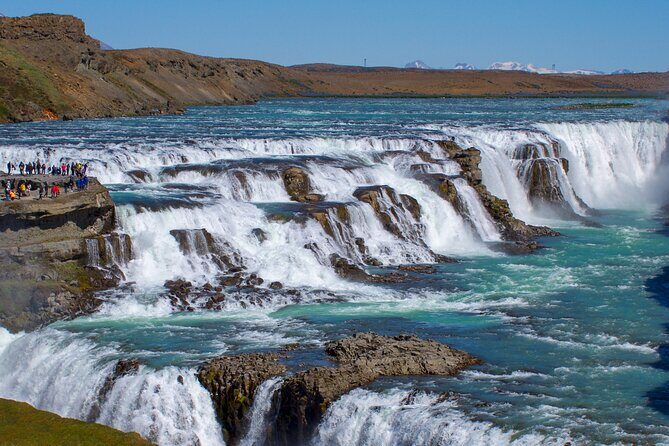
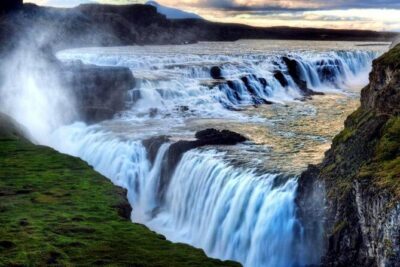
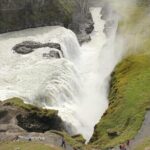
- Gullfoss waterfall’s double drop: a wide, powerful cascade that keeps delivering new viewpoints as you move.
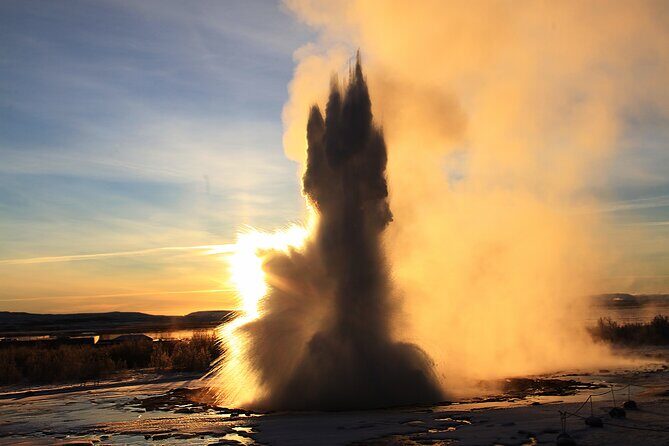
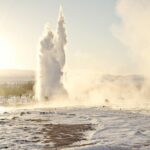
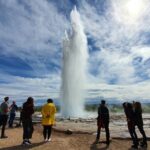
- Haukadalur geysers: Geysir may be quiet, but Strokkur erupts every few minutes, often up to around 30 meters.
- Þingvellir’s tectonic rift and parliament site (930 AD): continental plates you can literally stand near, plus deep Icelandic history.
Golden Circle, but with a second geyser stop that matters
Most Golden Circle days hit the same headline list: Gullfoss, Þingvellir, and Kerið. What makes this version feel better is the added time in the geothermal area around Hveragerði, where the activity is constant and easy to watch without racing around.
You start with pickup in Reykjavík (hotel pickup is part of the deal). Since some city streets don’t allow buses right into the core, you might be directed to the closest bus stop instead, and the operator should tell you the exact spot after they confirm your pickup info. The practical point: build in a little slack so you don’t miss the start.
If you're still narrowing it down, here are other tours in Reykjavik we've reviewed.
From Reykjavík to Hveragerði: eruptions, hot paths, and bread
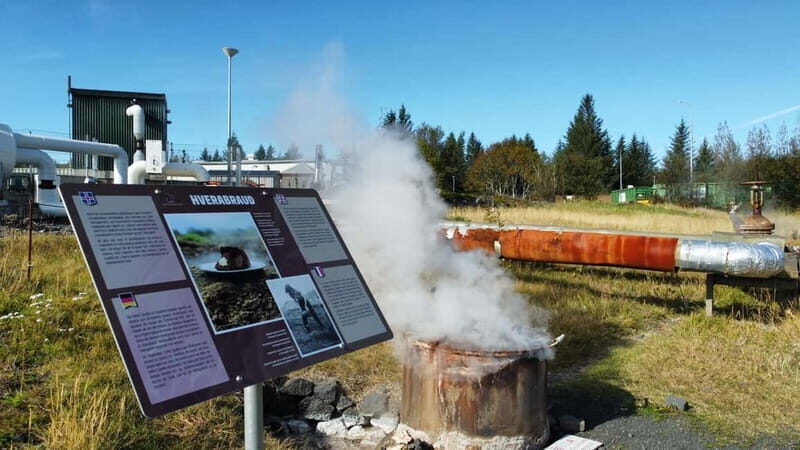
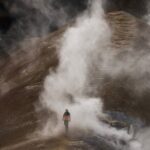
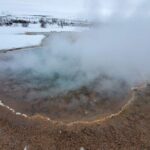
After pickup, the day heads toward Hveragerði, where Iceland’s geothermal energy is right out in the open. This is where you’ll see the Eilífur Geyser, one of the geysers known for regular eruptions—about every 15–20 minutes. That timing is a big deal because it changes how you experience the place. You’re not just hoping you arrive during the one exciting moment.
You’ll walk the pathways around bubbling hot springs, and the air has that unmistakable geothermal smell. Bring warm clothing—this is Iceland, and even when the sun shows up, geothermal areas can still feel chilly and windy.
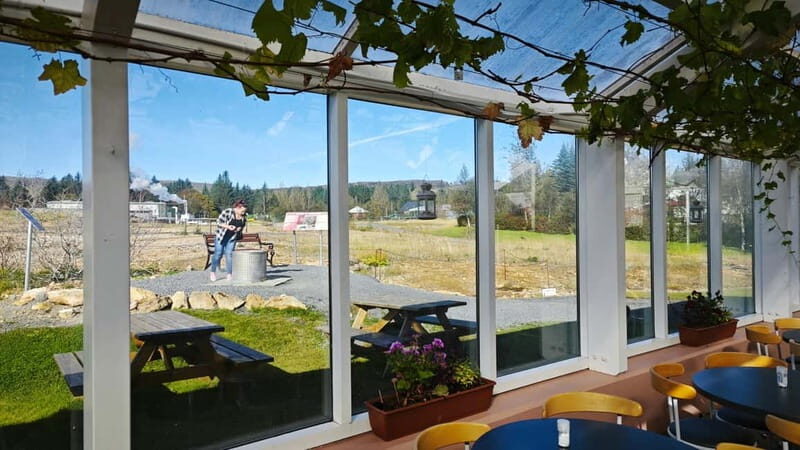
Then comes the part that turns this from just sightseeing into something you can remember later: the geothermal bakery and tasting of hverabrauð. This is sweet geothermal bread baked fresh on-site, made possible by the heat beneath your feet. It’s included as part of the geothermal park visit (with tasting), which gives you a low-effort, high-reward stop compared to doing everything via vending machines later.
Quick tip: if you’re the type who likes to photograph before you eat, do the walking first, then grab the bread while it’s still at its best.
Kerið Crater: the walking views that make geology feel simple
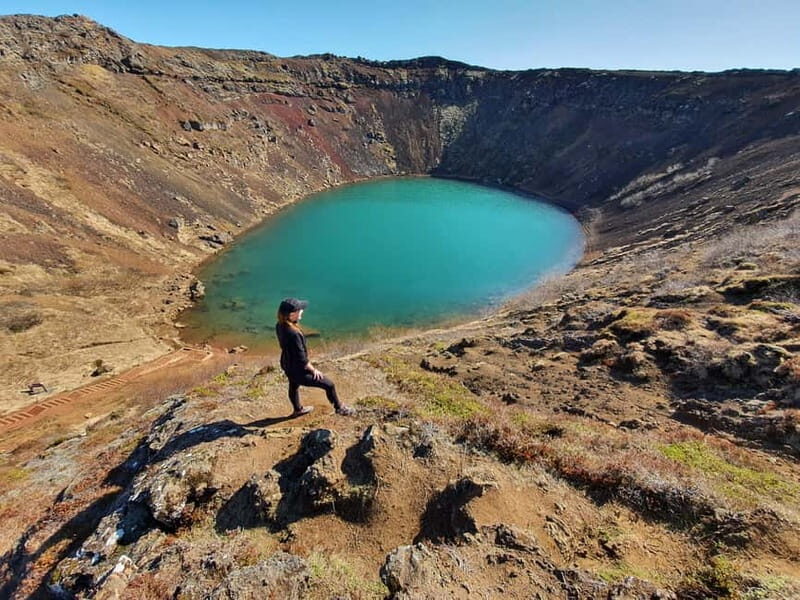
Next up is Kerið, a volcanic crater with about 55 meters of depth and roughly 270 meters across. It’s one of those stops where you can actually see why Iceland is what it is—not by reading a sign, but by standing at the edge and looking into the bowl.
You’ll have time to walk around and choose viewpoints. The crater’s color and scale make it feel dramatic even if you’re not a geology nerd. The main “why” here is that Kerið is a quick, high-impact lesson: Iceland’s surface isn’t static. It shifts, it cracks, it forms, and it changes over time.
The drawback? It’s popular, so expect a bit of crowd energy at peak times. Still, the crater gives you enough angles that you don’t feel trapped in one spot.
Gullfoss: the golden waterfall’s double drop and why timing helps
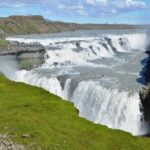
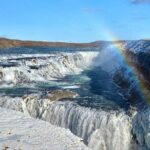
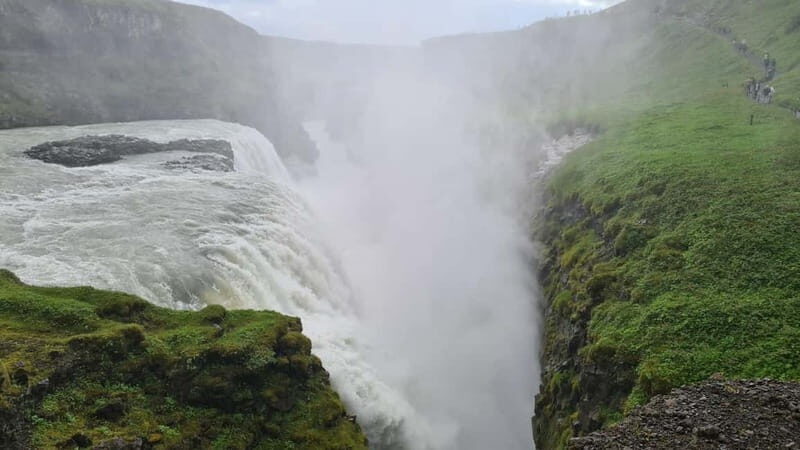
Then you hit Gullfoss, the Golden Waterfall. What stands out is the double drop and the sheer scale of the cascade—over 30 meters of falling water. It’s not one flat viewpoint either. As you traverse the area near the falls, you get multiple perspectives of how the river moves over the ledges.
One nice detail: this drive also passes remote upland farms, and there’s a chance you’ll spot Icelandic horses along the way. You might not see them, but the possibility makes the trip feel less like a straight line between attractions.
Practical advice: bring layers and plan for mist. Gullfoss can be cool even when the rest of the day feels mild, and that spray makes wind feel sharper.
Haukadalur geysers: how to watch Strokkur without stressing
After Kerið and Gullfoss, the day shifts into the geothermal core of Iceland again at Haukadalur. This is where you’ll deal with one of the geyser realities: Geysir itself is currently dormant, so don’t build your day around seeing one grand eruption there.
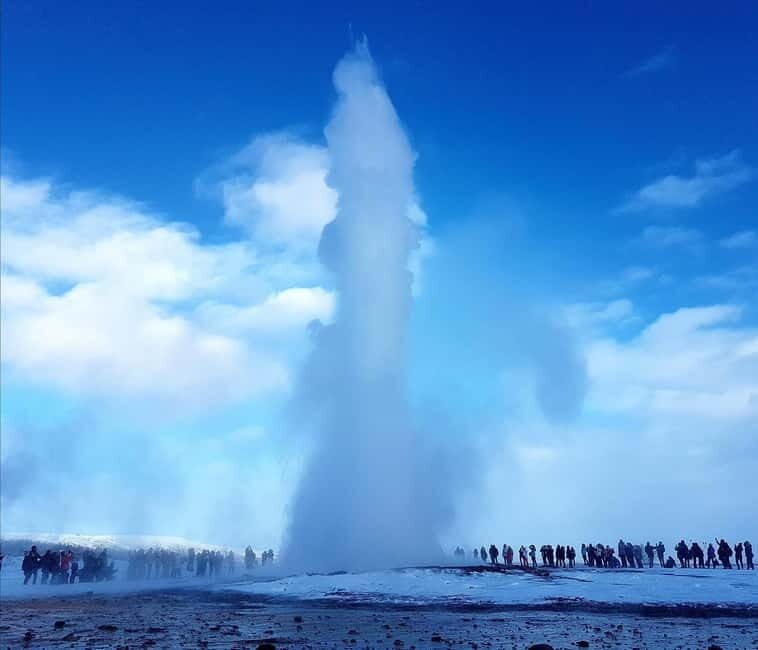
The good news is that Strokkur is the reliable star. Eruptions happen every few minutes and can reach up to about 30 meters. That means you can relax. You don’t need to stand in one exact spot forever—you just need to stay alert and keep an eye on the eruption rhythm.
This is also a place where a good guide helps. Even when you’re not chasing facts, it’s satisfying to understand what you’re seeing: why geysers erupt the way they do, what signals come before an eruption, and how the area’s geothermal system works.
Þingvellir National Park: plates you can stand near, and a parliament from 930
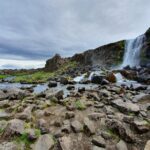
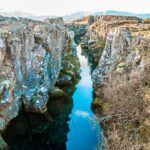
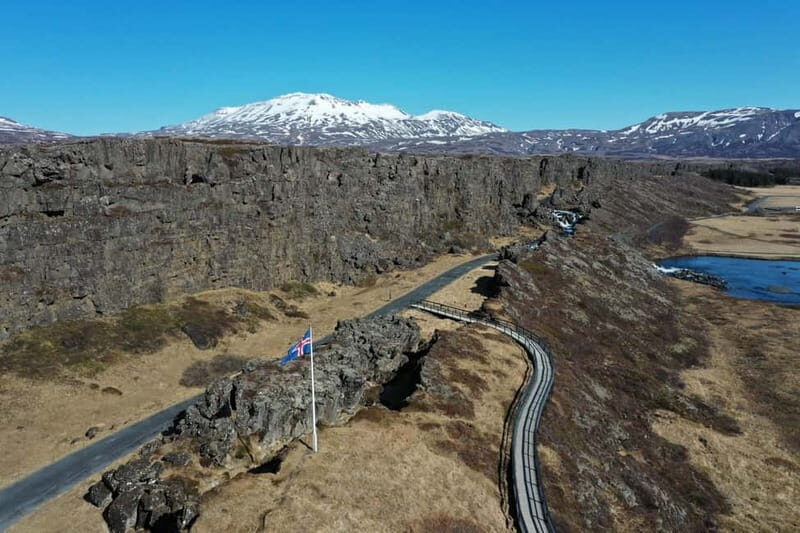
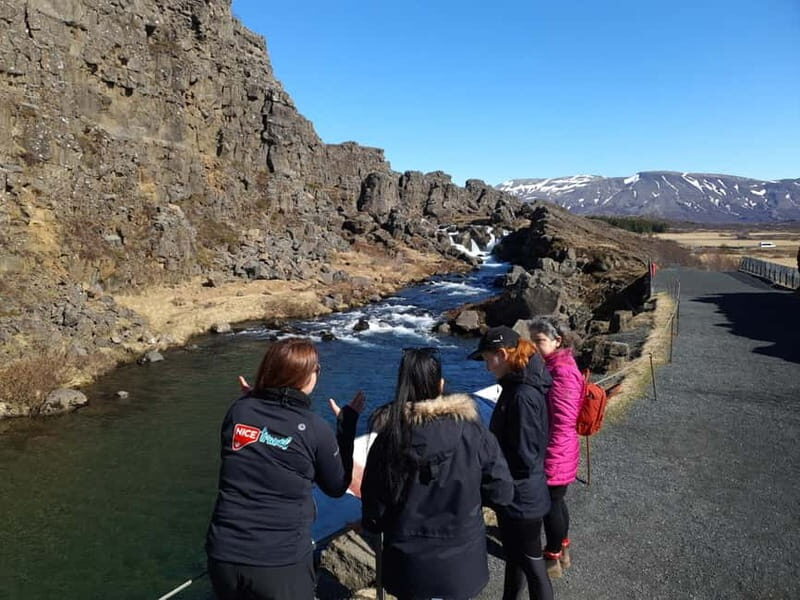
If Gullfoss is Iceland’s roar, Þingvellir National Park is Iceland’s quiet power. You’ll see the rift where the Eurasian and American tectonic plates pull apart, creating a visible gap and a landscape shaped by ongoing geologic movement.
But Þingvellir is more than rocks. It’s also a cultural anchor: it’s linked to the world’s oldest surviving parliament, established in 930 AD. That combination—living geology plus real historical importance—is why this stop tends to feel longer than it actually is. You’re not just looking at a view; you’re standing on a site where decisions were made under the open sky.
Time-of-day can matter, especially in winter. When the tour schedule lines up well, you can experience that shift from early daylight to softer late light, and Þingvellir looks different in each phase.
Optional Hvammsvík Spa: a geothermal reset with fjord views
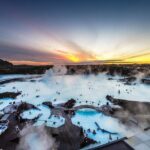
If you want to end the day with relaxation, there’s an optional stop at Hvammsvík Spa in the Hvalfjörður fjord area. It’s geothermal, with pools at different temperatures so you can pick what feels right after a long day outside.
This optional add-on is where you’ll want swimwear. Without it, you’ll either skip the pools or make the best of just the viewing areas, which is fine, but it loses some of the point.
Even if you don’t do the spa, the option is a useful way to shape your day: sightseeing-heavy if you skip it, or a more balanced close if you’re tired from the cold and the walking.
Small group comfort and what the included price really covers
The tour runs in a small group setting, with a maximum of 19 people per bus. That limit matters more than you’d think on a long day, because it helps the stops feel less rushed and keeps the atmosphere friendly on the ride.
Onboard comfort is solid for Iceland road time: you get free WiFi and USB chargers next to every seat, which helps if you’re bouncing between photos, maps, and offline planning.
The included package is also more than just transport:
- round-trip bus transportation
- hotel pickup and drop-off in Reykjavík
- a live English-speaking guide
- Kerið crater entry
- geothermal park entry with hverabrauð tasting
What’s not included is simple: food and drinks. So if you tend to snack often, bring extra cash or plan on buying something at stops. This is one of those areas where paying attention before you go saves you from feeling annoyed later.
At $134 per person for an 8–11 hour day, I think the value hinges on two things: (1) you want the full Golden Circle highlights in one go, and (2) you’re happy with a guided structure that controls timing for you.
You’ll get less flexibility than doing it solo, but you’ll also spend less energy figuring out logistics while you’re focused on the scenery and the geology.
Who this tour fits best (and who should skip it)
This tour is a great match if you want a one-day hit list that still feels varied. It’s especially good for first-timers to Iceland who want to connect the dots between volcanism (Kerið), hydrology (Gullfoss), plate tectonics (Þingvellir), and geothermal energy (Hveragerði + Haukadalur).
It’s not a fit for everyone. It’s not suitable for children under 10, and if your travel style is all about long unscheduled breaks, a structured day with multiple stops may feel like too much.
Should you book this Golden Circle with geysers and bread?
Yes, I’d book it if you want the classic Golden Circle sights with the extra geothermal payoff. The Eilífur Geyser stop and the Strokkur focus give you more than one chance to see eruption action, and the geothermal bread tasting is a genuinely Iceland-specific add-on that’s included.
Skip it (or think twice) if you hate long drive days or you don’t want to manage meals yourself, since food and drinks aren’t included.
If your goal is to see the best-known highlights with a guide who can explain what you’re looking at—while keeping group size manageable—this is a strong choice.
FAQ
How long is the Reykjavík Golden Circle, geysers, and geothermal bakery tour?
The duration is listed as 8–11 hours, depending on the starting time.
What’s included in the tour price?
It includes round-trip bus transportation, hotel pickup and drop-off in Reykjavík, a live English guide, Kerið entry, and geothermal park entry with a hverabrauð (geothermal bread) tasting. Free WiFi and USB chargers are also provided on the bus.
Is food or drinks included?
No. Food and drinks aren’t included, so you’ll want to plan for snacks and meals during the day.
Which geysers will I see?
You’ll visit geothermal springs at Hveragerði to see Eilífur Geyser eruptions (about every 15–20 minutes), and then go to Haukadalur, where Geysir may be dormant but Strokkur erupts every few minutes (up to around 30 meters).
Do I need to bring warm clothing?
Yes. You should bring warm clothing, especially since the day includes time outside at multiple stops.
Is the spa visit included?
The Hvammsvík Spa visit is optional, offered as a possible extra at the end of the day.
What should I pack if I choose the optional spa?
Bring swimwear if you select the optional spa visit.
Is this tour suitable for kids?
It’s not suitable for children under 10.