REVIEW · REYKJAVIK
German-Speaking Golden Circle Small Group Tour from Reykjavík – Shore Excursion
Book on GetYourGuide →Operated by SPS-Travel · Bookable on GetYourGuide
Golden Circle day trips can feel rushed. This one stays efficient: Reykjavík pick-up and a small German-speaking group take you through the big sights in about 8–9 hours. You’ll hit the earthquake fissures, Kerið crater, Gullfoss, Haukadalur geysers, warm Laugarvatn, and Þingvellir National Park—built for cruise schedules.
What I like most is the tight group size (max 19 people) and the way the guide connects the stops so the bus time doesn’t feel like dead time. You’ll also get solid time at the showstoppers: Gullfoss gets about 45 minutes, and Haukadalur gives you around an hour with Strokkur erupting.
One thing to consider: it’s a full day with a lot of shifting locations, and some moments are quick photo stops (like Laugarvatn). If weather or your ship’s timing gets tight, the whole day can run a bit shorter.
In This Review
- Key highlights worth planning for
- A cruise-day win: Golden Circle from Reykjavík without the hassle
- Small-group comfort and a German guide who keeps it moving
- Route reality: from Hellisheiði-side views to Hveragerði earthquake fissures
- Kerið crater: the quick, classic volcanic stop with ticket included
- Gullfoss: why the schedule gives it nearly an hour
- Haukadalur geysers and Strokkur: one hour well spent
- Farm ice cream and warm Laugarvatn: the stops that feel human
- The farm stop: cows, calves, and ice cream you can actually taste
- Laugarvatn: quick photo stop with bread-baking heat
- Þingvellir National Park: tectonics plus Icelandic parliament history
- Photo stop back in Reykjavík: Hallgrímskirkja if timing allows
- Price and value for an 8-hour Golden Circle day
- Should you book this shore excursion?
- FAQ
- How long is the Golden Circle shore excursion from Reykjavík?
- What group size is this tour?
- Is a German-speaking guide included?
- What is included in the tour price?
- Do I need to pay extra for Kerið?
- Where do we meet for pickup?
Key highlights worth planning for
- Max 19-person group: easier questions, better pacing, less waiting around
- German-speaking guide: practical context at every stop, not just facts on a sign
- Golden Circle essentials: Kerið, Gullfoss, geysers at Haukadalur, and Þingvellir
- Active geothermal moments: watch Strokkur from the Haukadalur area
- Local food stop: farm-made ice cream plus a chance to see the cowshed and calves
- Cruise-friendly timing: built around Reykjavík port departures, with possible city photo stop
A cruise-day win: Golden Circle from Reykjavík without the hassle
If you’re in Reykjavík for a short port call, the Golden Circle is the obvious move—but DIY can turn annoying fast: timing issues, complicated parking, and the risk of getting stuck when roads or daylight don’t cooperate. This shore excursion is designed for exactly that reality. You leave from the cruise terminal area, and the whole plan is built around getting you to the classic sites with enough time to actually enjoy them.
You’ll spend most of the day on a coach, yes. But it’s not just a long ride to one waterfall and back. The route strings together several “Iceland made this” moments—volcanic craters, a major waterfall, geothermal heat, and then the tectonic story of Þingvellir—so the day feels like one continuous theme.
And since it’s a small group with a live German-speaking guide, the drive is useful. You’re not stuck watching your own countdown timer.
Other Golden Circle tours from Reykjavik we've reviewed
Small-group comfort and a German guide who keeps it moving
This is a German-language tour, with pickup included from the cruise terminal. The group stays under 19 people, which matters more than you’d think. Smaller groups mean less stop-and-start behavior when people ask questions or when someone needs a minute to catch up.
One detail I really value on a Golden Circle day is how much easier it is to follow when the person guiding you is clearly prepared. I saw examples of guides like Andy Halbinsen and Petra being praised for knowing their material and reading the group—especially when there are kids involved. Even if you don’t meet them specifically, the pattern is clear: you’re not just getting a checklist. You’re getting explanations that help you understand what you’re looking at right now.
The guide also helps you manage the “where do I stand” problem at busy sites. You’ll spend enough time at each stop to take photos, move around safely, and still have moments that feel unhurried.
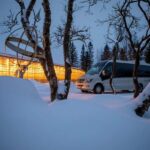
Practical note: these smaller coaches are often based on a Mercedes Sprinter style vehicle. That’s great for maneuvering, but it also means there can be a bit less space for oversized luggage.
Route reality: from Hellisheiði-side views to Hveragerði earthquake fissures
Your day starts at Skarfabakki 312 Cruise Terminal. After pickup, you’ll head out by bus. Early on, there’s a stop in Hveragerði that keeps the pacing lively without burning the whole morning.
In Hveragerði, you’ll visit an earthquake fissure stop. The interesting twist is that it’s in a shopping center, so you get a quick, hands-on feel for what the area experienced, without turning it into a long hike or complicated navigation. This is the kind of stop that works well for cruise passengers: short enough to keep the schedule intact, but meaningful enough to remember.
After Hveragerði, the tour continues through the region toward the volcanic and geothermal highlights. If you like road-trip Iceland—changes in terrain, weather, and viewpoint styles as you move east and south—this section is part of the fun.
Kerið crater: the quick, classic volcanic stop with ticket included
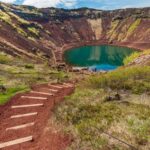
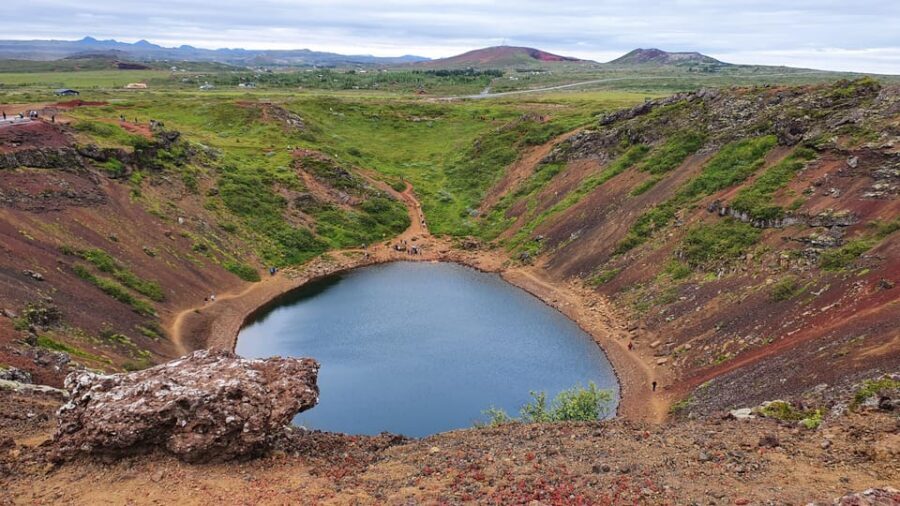
Kerið Crater is where the day gets more obviously volcanic. You’ll have about 25 minutes here, and entry is included, which helps you avoid ticket line friction. That matters on a busy day when timing can get tight.
Kerið is essentially a crater landscape with striking color and layered rock edges. Even if you’ve seen similar volcanic imagery online, being there in person changes it. The depth and the surrounding rock texture look different when you’re standing close.
The main drawback is also the main trade-off: time is limited. In a perfect world you’d linger longer, but this tour needs to keep moving. Still, 25 minutes is usually enough to walk to good vantage points, take your photos, and move on without feeling like you were rushed.
What to watch for: bring closed-toe shoes. The ground around crater edges can be slick or uneven, especially with rain or mist.
Gullfoss: why the schedule gives it nearly an hour
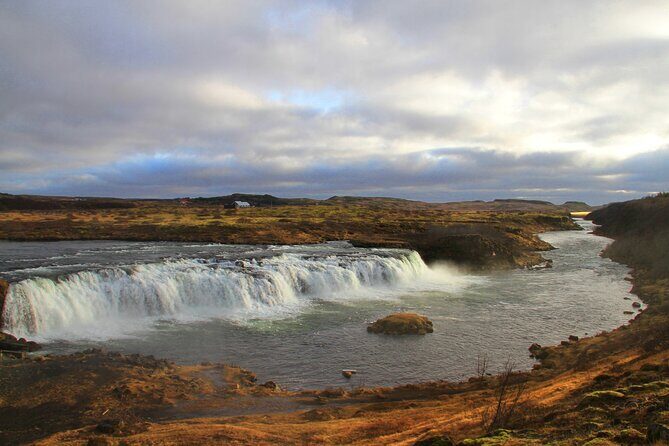
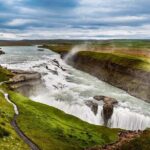
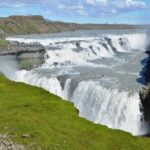
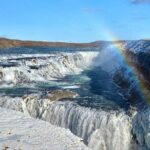
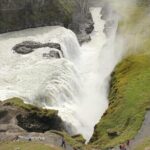
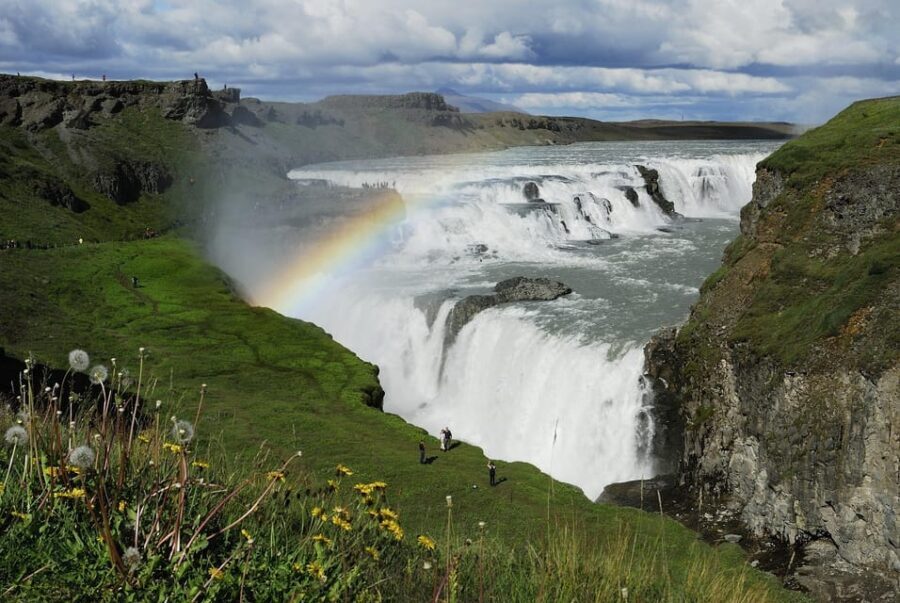
Next comes the stop many people are picturing when they think Golden Circle: Gullfoss waterfall. You’ll get about 45 minutes, which is a respectful amount of time for something this powerful.
Gullfoss works on two levels. First, it’s visually dramatic. Second, it’s a lesson in Iceland’s energy—water power meets geology in a way that makes you realize how much force is happening even when you’re just standing still.
This stop is also where you’ll likely feel the “small group” advantage. With fewer people, you typically spend less time trapped waiting for a clear photo angle. You still need to manage wind and spray (it’s Iceland, after all), but the pacing tends to feel more comfortable.
Weather tip: if it’s raining sideways, plan to keep your rain layer handy. A quick poncho can be the difference between enjoying the moment and getting annoyed by soaking gear.
Other small-group Golden Circle tours we've reviewed
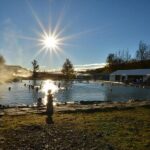
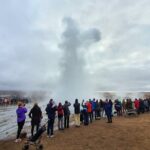
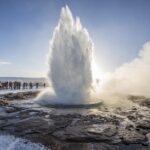
Haukadalur geysers and Strokkur: one hour well spent
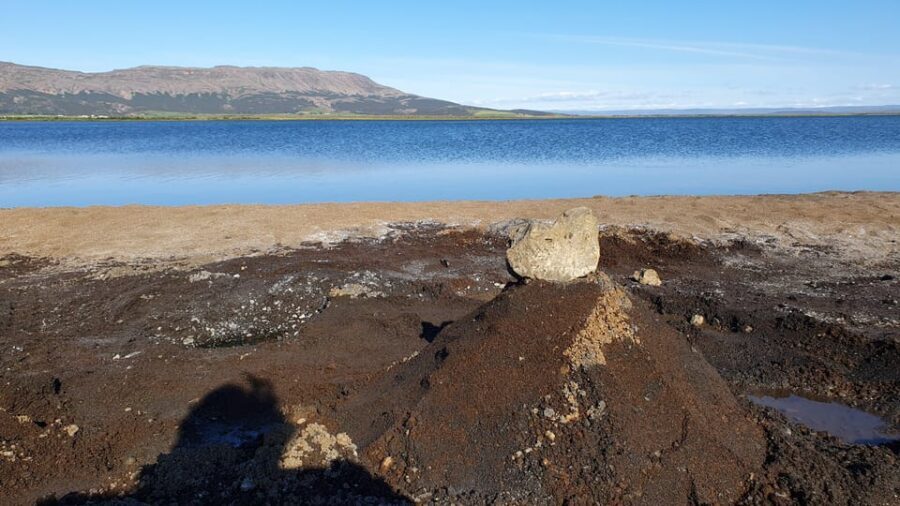
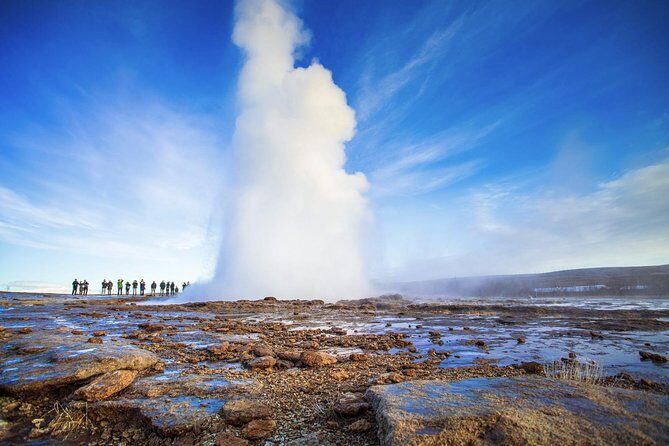
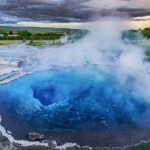
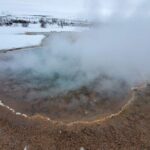
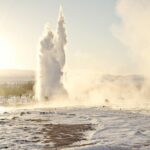
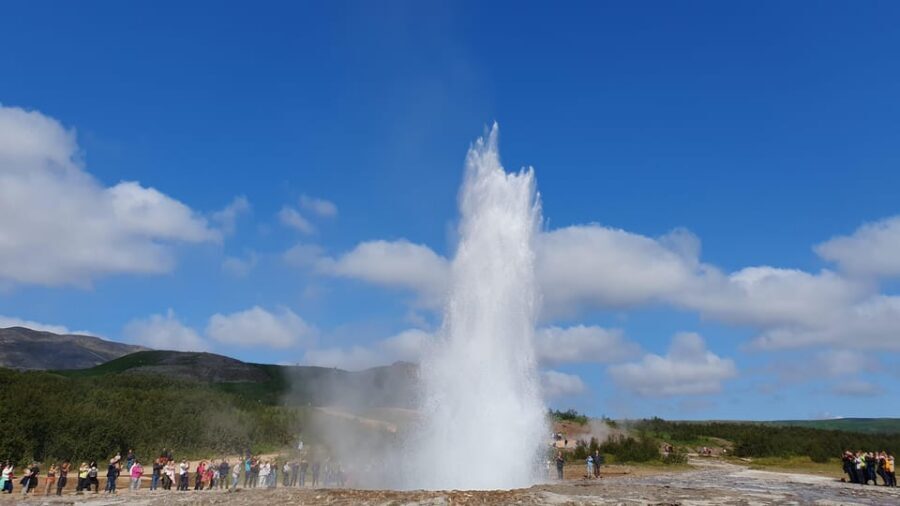
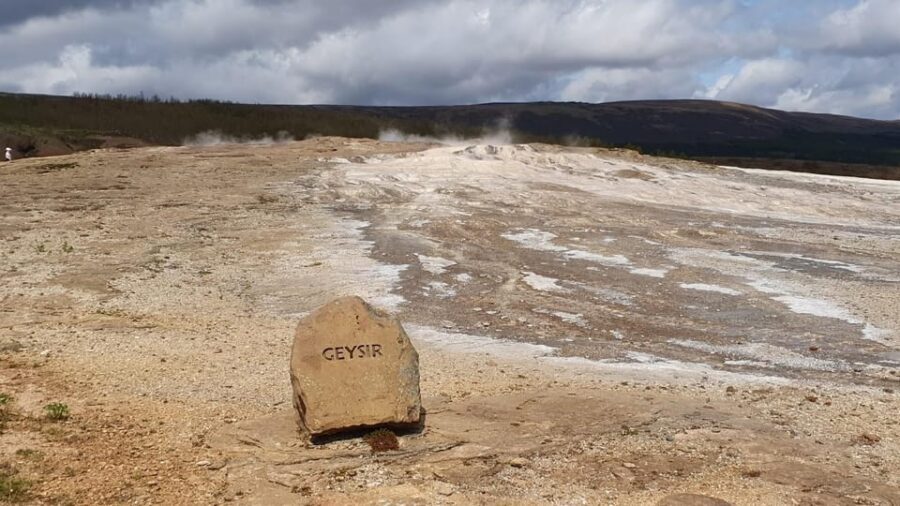
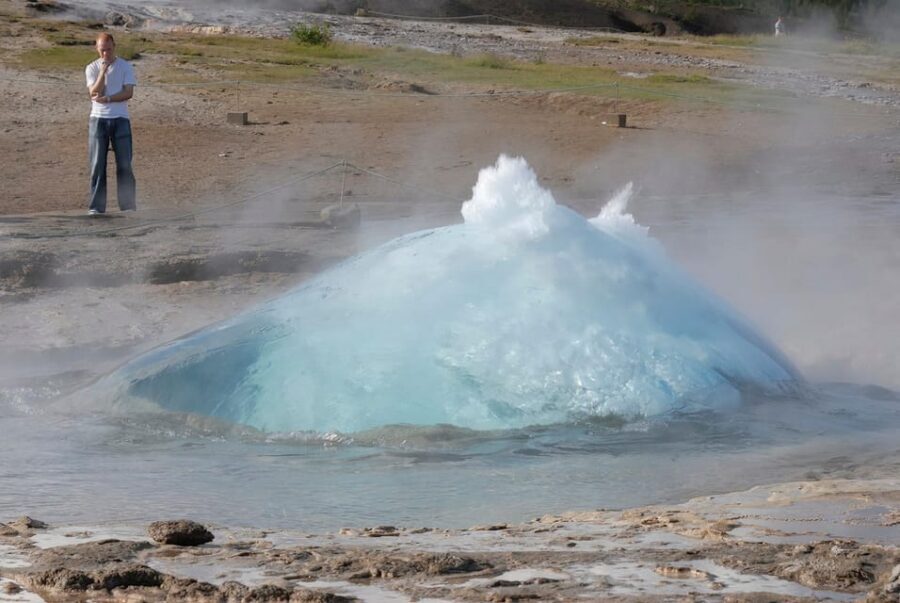
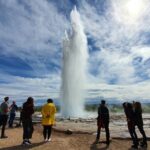
Then it’s geothermal time at Haukadalur, where you’ll spend about 1 hour. The highlight is the active geyser Strokkur.
If you’ve never watched geysers erupt, here’s what to expect: the timing is never perfectly predictable, but Strokkur is famous for frequent activity. That’s good news because one eruption is exciting. A series of eruptions is unforgettable.
With a full hour, you’re not stuck waiting for one lucky moment. You can watch from your chosen spot, adjust when needed, and still have time to take in the steam landscape around you.
The geyser area can get windy, and the ground can feel damp even when it isn’t raining. Closed-toe shoes help, and rain gear is still a smart idea. You’ll also likely want to keep your camera accessible—steam can change the light fast.
Farm ice cream and warm Laugarvatn: the stops that feel human
This day doesn’t only chase dramatic geology. It also adds a more “Iceland lives here” flavor with a farm stop and the warm Lake Laugarvatn area.
The farm stop: cows, calves, and ice cream you can actually taste
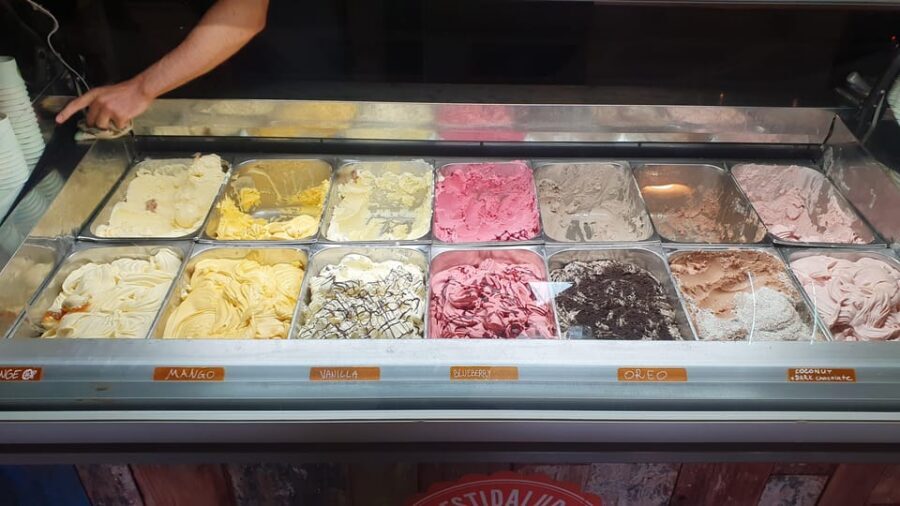
You’ll stop at a farm that produces ice cream from the milk of its own cows. That’s the kind of detail that turns a “tour snack” into something with a story. There’s also a chance to buy waffles and hot drinks, and you can take a look at the cowshed plus a nursery with calves.
Even if you skip the tasting, it’s worth stepping through for the real-world feel. Iceland can be all waterfalls and steam from a distance. This part reminds you that people live off this land, too.
Laugarvatn: quick photo stop with bread-baking heat
After the farm area, you’ll do a photo stop at Laugarvatn, and the tour notes that hot springs there are used for baking bread. That gives you a neat context for the geothermal heat: it’s not just spectacle—it’s practical.
The catch is time. You’ll have only around 10 minutes here. Plan to use that time intentionally: a quick walk to a good viewpoint, photos, and then back to the coach before you feel rushed.
Þingvellir National Park: tectonics plus Icelandic parliament history
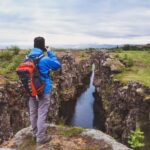
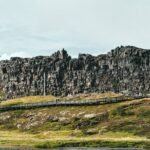
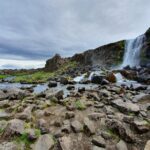
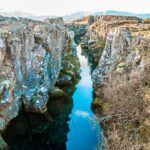
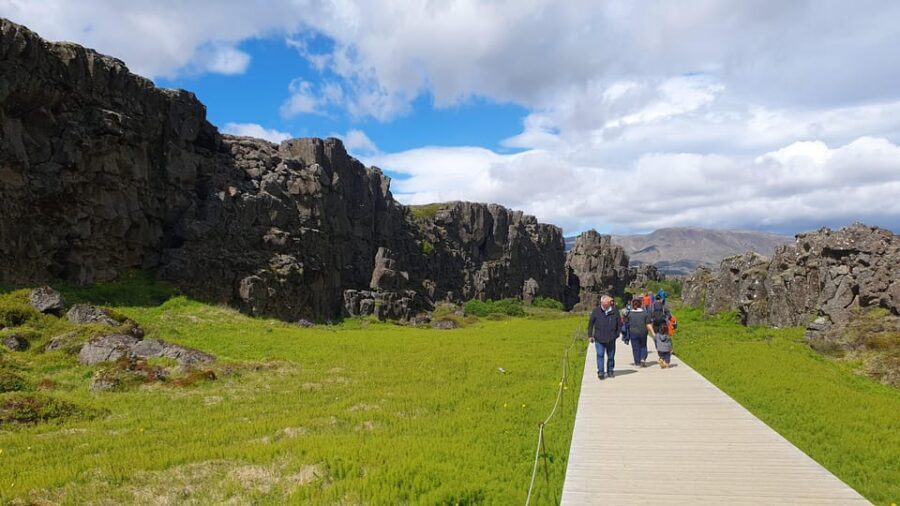
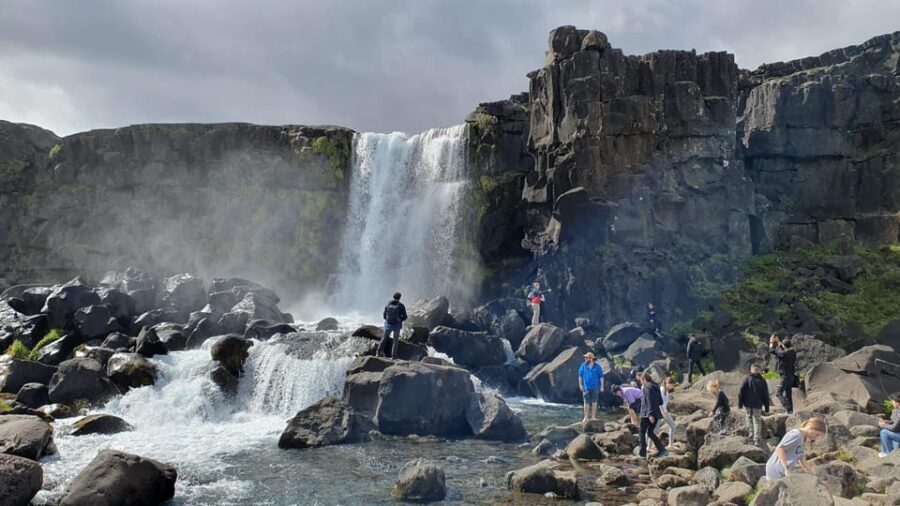
Þingvellir National Park is where the day becomes more than scenery. You’ll have about 1 hour for sightseeing here, and the tour focuses on two key areas: Öxarárfoss waterfall and Almannagjá.
Here’s why this part matters: Þingvellir isn’t just beautiful—it’s one of the places where you can understand plate tectonics in real life, because the landscape reflects how the earth is moving. Add Alþing, founded in 930, and you get a human layer to the geology. It’s the meeting place of Icelandic governance, not just a nature park.
If you like walking a little, this stop is a good match. You’ll have enough time to move around and still catch the viewpoints connected to the tectonic “why” behind the scenery. If you’re more into photos than hiking, it still works because you can choose where to spend your minutes.
Bring your patience for the weather. Wind can pick up suddenly around open viewpoints, and that can affect how long you feel comfortable standing still.
Photo stop back in Reykjavík: Hallgrímskirkja if timing allows
On the return drive, the plan includes a possible short detour through downtown Reykjavík. If your ship’s departure time allows, you’ll get a photo stop at Hallgrímskirkja.
This is the kind of bonus that’s easy to appreciate because it gives you a final anchor in Reykjavík after hours outside the city. Even five minutes of photos here can make your day feel complete—especially if you haven’t had time to explore the city independently.
If timing is tight, you still get the core Golden Circle with the main stops covered.
Price and value for an 8-hour Golden Circle day
At $182 per person for an about 8-hour shore excursion, the value comes from what you’re actually buying:
- Transport from the cruise terminal and back (not just “here’s a map, good luck”)
- A German-speaking local guide
- A small group size that reduces waiting and makes the experience easier to follow
- Entry to Kerið
- A route that hits multiple major highlights (not one or two)
For a cruise passenger, that “all-in” structure usually beats cobbling together multiple activities on your own. You pay more than a bare-bones bus ticket, but you buy time confidence: you’re less likely to miss a ferry-like deadline or spend hours coordinating logistics.
If you’re traveling with kids, the small-group format and the guide’s flexibility can be a real plus, since the day is packed with visual rewards.
The only time the price feels less attractive is if you personally don’t care about the full circuit. But if you want the Golden Circle checklist plus the extra stops (ice cream farm, Laugarvatn warmth, Þingvellir tectonics), this is a strong fit.
Should you book this shore excursion?
I’d book it if you want a high-impact Golden Circle day that’s realistically scheduled for cruise timing, with a German-speaking guide and small-group comfort. It’s especially good if you like seeing the full arc: volcanic crater to waterfall power to geothermal action to Þingvellir’s tectonic and historical meaning.
I’d think twice if you hate busy schedules or you need long, slow breaks at each place. The tour includes quick stops and short photo windows, like Laugarvatn, and weather or docking time can make the day a bit shorter.
If your priority is to leave Reykjavík and return with the main sites checked off—plus a couple of local touches that feel more than tourist-mass-produced—this excursion is a practical, satisfying choice.
FAQ
How long is the Golden Circle shore excursion from Reykjavík?
The tour usually lasts 8 hours, but it can be about 8–9 hours depending on weather and your ship’s docking time.
What group size is this tour?
It’s a small group tour with a maximum of 19 participants.
Is a German-speaking guide included?
Yes. You get a live German-speaking local guide during the tour.
What is included in the tour price?
The tour includes pickup at the cruise terminal, a German-speaking guide, and entry to Kerið. Food and drinks are not included.
Do I need to pay extra for Kerið?
No. Entry to Kerið is included.
Where do we meet for pickup?
Pickup is from Skarfabakki 312 Cruise Terminal. The buses are in the parking lot for the free tours on Skarfagarðar Street with a sign for SPS Travel / Kria Tours, and pickup starts about 15 minutes before the tour begins.